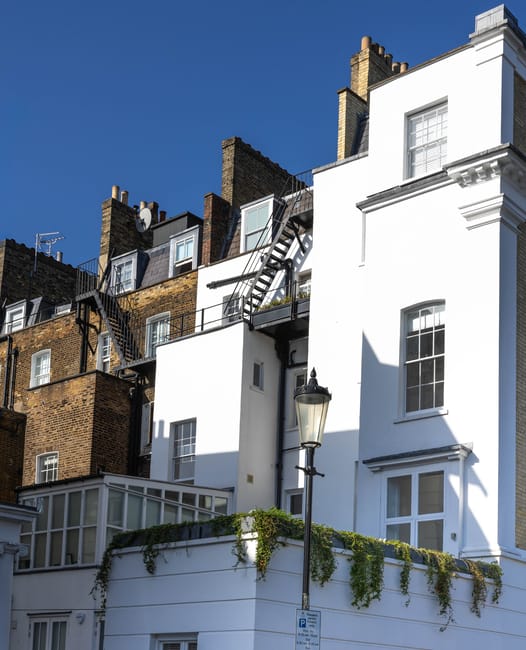
Removals for Fulham Basement Flats Difficult Access Solutions

Moving out of a basement flat in Fulham sounds simple enough on paper. In real life, though, it can be a tight stairwell, a low ceiling, a narrow front path, a shared hallway, and nowhere sensible to park the van. That is exactly why Removals for Fulham Basement Flats Difficult Access Solutions needs a different approach from a standard house move. The job is not just about carrying furniture. It is about planning the route, protecting the property, managing time, and keeping everyone safe while working in awkward spaces.
If you are facing this kind of move, you are probably worried about the awkward bits first: sofa angles, fridges through the door frame, scratched walls, and how on earth a wardrobe is meant to fit round that bend. Fair enough. This guide breaks down what makes basement removals tricky, how the process works, what to expect on moving day, and how to avoid the mistakes that make a difficult move even harder.
There is a practical side to all this, but there is also a human side. Basement flats often mean you are juggling limited light, damp-prone corridors, neighbours passing through, and that awkward moment when a big item simply will not cooperate. A well-run move takes the pressure off. It turns a stressful day into something controlled, orderly, and far less chaotic. Let's get into it.
- Why difficult access basement removals matter
- How the move is planned and carried out
- Key benefits and practical advantages
- Who this is for and when it makes sense
- Step-by-step guidance
- Expert tips for better results
- Common mistakes to avoid
- Tools, resources and recommendations
- Law, compliance, standards and best practice
- Options, methods and comparison
- Case study or real-world example
- Practical checklist
- Conclusion
- Frequently asked questions
Why Removals for Fulham Basement Flats Difficult Access Solutions Matters
Basement flats in Fulham bring a very specific set of moving challenges. You are often dealing with a lower-than-average entrance, stepped access from street level, shared access routes, and limited room to turn bulky furniture. Even when the property is only a few streets from the van, the actual loading process can take much longer than a typical move.
Why does that matter so much? Because difficult access changes everything: labour, timing, equipment, packing method, and risk. A move that looks like a small one-bedroom job can suddenly need a different van size, extra staff, or protective materials. If that is not planned for, delays stack up fast. And delays have a way of making everyone grumpy by half past ten.
In Fulham, there is also the local reality of controlled parking, busy residential roads, and buildings where neighbours expect quiet and tidy work. Basement removals need to balance efficiency with respect for the property and the people living around it. That means careful communication and a proper route plan, not just a pair of strong arms and a hope for the best.
Expert summary: the biggest risk in basement removals is not usually the volume of items; it is the access. Measure access first, then plan the move around the route, not the other way round.
There is also a cost-control angle. The more surprises you leave until moving day, the more likely it is that extra time or extra handling will be needed. A thoughtful plan is often cheaper in the long run because it reduces rework, wasted labour, and avoidable damage. Simple enough, but easy to miss when you are in the middle of packing boxes at 9pm.
How Removals for Fulham Basement Flats Difficult Access Solutions Works
A difficult-access removal usually starts with a brief assessment of the property and the items being moved. The point is to understand where problems are likely to happen before anyone is carrying a sofa down a narrow stairwell while holding their breath. Good planning is what turns a complicated move into a controlled one.
The process normally includes route checking, access measurement, item breakdown where possible, packing strategy, and lifting method. For basement flats, the key details are often the ones people forget to mention: is the stairwell curved, are there banisters in the way, is the front entrance shared, and can the van park close enough to reduce carrying distance?
In practice, the move may use a mix of techniques. Smaller items can be boxed and moved conventionally. Larger furniture might need to be dismantled, wrapped, and carried with extra protection. For especially awkward items, two-person or four-person handling may be more suitable than trying to force an impossible angle through a tight turning point. Sometimes the best move is not the strongest move; it is the smarter one.
Here is the basic flow many careful removals follow:
- Access review: check stairs, door widths, ceiling height, kerbs, and parking distance.
- Item survey: identify bulky, fragile, or awkward items that may need dismantling or special handling.
- Protective prep: use wrapping, covers, blankets, and floor protection where needed.
- Loading plan: decide the order in which items come out to keep the route clear.
- Safe moving: lift carefully, communicate clearly, and keep pauses brief but sensible.
- Final checks: confirm nothing has been left behind and the route has been left tidy.
That sounds straightforward, and in a way it is. The hard part is remembering that a basement flat is not just another address. It behaves differently. The stairwell may narrow halfway down. A radiator might sit exactly where a dresser needs to turn. The hallway might echo every footstep. These are tiny details, but they make a big difference on the day.
Key Benefits and Practical Advantages
When difficult access is handled properly, the benefits are obvious pretty quickly. The move runs more smoothly, the items are safer, and the stress level drops. You also get a clearer sense of timing, which is useful if you need to hand keys back, meet a landlord, or stick to a building access window.
One of the biggest advantages is reduced damage risk. Scraped walls, chipped paint, broken handles, and strained hinges are common in awkward moves when people rush. The right approach protects the property as well as the furniture. That matters whether you are moving out of a rented basement flat or transporting belongings into a new home after a long day on Fulham's side streets.
Another benefit is better coordination. A properly planned move lets everyone know who is handling what, which route is being used, and which items need extra caution. Sounds boring, maybe. But boring is good on moving day.
- Less damage: more protection for walls, stair rails, and furniture edges.
- Better time control: fewer delays caused by access surprises.
- Safer lifting: reduced risk of back strain and dropped items.
- More reliable budgeting: fewer unplanned hold-ups and repeated trips.
- Lower stress: clearer decisions and fewer last-minute panics.
There is also a practical emotional benefit, if that makes sense. When the move feels managed rather than improvised, people relax. You breathe a bit easier. The flat feels less like an obstacle course and more like a place you are leaving on good terms.
Who This Is For and When It Makes Sense
This kind of removal support is ideal for tenants, landlords, homeowners, and letting agents dealing with basement or lower-ground flats in Fulham where access is tight or unusual. It also makes sense for anyone moving larger items from below street level, even if the rest of the property is fairly standard.
It is especially useful if you have:
- steep or narrow internal stairs
- low ceilings or tight turning space
- shared entrances with limited room to manoeuvre
- heavy furniture such as wardrobes, beds, or appliances
- restricted parking or a long carry from the van
- fragile or valuable items needing extra care
It also makes sense if you have a deadline. End-of-tenancy moves are the classic example. You may need the flat cleared by a certain time, and there is no joy in discovering that the sofa will not fit past the stairwell banister at the very moment the inventory clerk is due. Been there, or close enough, and it is not fun.
If you are moving a small amount of lighter possessions, a standard service may be enough. But once the access becomes tricky, the move becomes a planning exercise rather than a simple transport job. That is the key difference.
Step-by-Step Guidance
If you want a smoother move, this is the part to pay attention to. A basement flat removal works best when the access problem is tackled in stages instead of being left until the van arrives. The difference is night and day, honestly.
1. Measure the route, not just the room
Measure stair width, door width, landing space, and the size of the tightest turn. People often measure the furniture and forget the stairwell. That is usually where the trouble starts. If a wardrobe is 180cm high, but the landing only allows a shallow angle, the height alone does not tell you enough.
2. Identify items that can be dismantled
Flat-pack furniture, bed frames, some tables, and modular shelving often move far more easily when partially dismantled. Keep screws, fittings, and small parts in labelled bags. It sounds simple, but a missing bag of bolts at the end of the day can turn a quick rebuild into a mildly irritating treasure hunt.
3. Protect the route
Use floor coverings, door protectors, and wall protection where there is a real risk of scuffing. Basement steps can be especially vulnerable because people naturally slow down on them, and slower movement means more contact with rails and corners. Even a tiny rub mark can be noticeable in a rental flat.
4. Pack in the right order
Box the easiest items first and leave the more awkward pieces until the team is ready to move them safely. That avoids blocking the route with loose boxes while a large item is being guided out. You want the path to stay clear. Clutter is the enemy here.
5. Time the move carefully
Where possible, choose a window that avoids the busiest traffic and the worst parking pressure. In Fulham, timing can change how easy the loading stage feels. A ten-minute wait for a parking spot can throw the whole rhythm off, especially if neighbours are coming and going through the same entrance.
6. Keep communication simple
Short instructions work best in tight spaces: pause, lift, turn, down a bit, hold. No rambling. No shouting match across a stairwell. Just clear calls and steady hands.
If one item proves awkward, stop and rethink. Forcing it through usually costs more time than backing up and adjusting the angle. That is one of those lessons people only need once, thankfully.
Expert Tips for Better Results
In our experience, the smoothest difficult-access removals are the ones where someone thinks like a route planner, not just a mover. That sounds a bit grand, but it really is about seeing the whole path from flat to van before the first box is touched.
Here are a few things that genuinely help:
- Take photos of the access route before moving day so the team can spot tight turns or obstacles early.
- Remove loose fixtures such as shelves, hooks, and doorstops if they might snag items.
- Keep essentials separate so you are not searching through taped boxes for keys, chargers, or documents.
- Wrap corners and edges on furniture that is likely to brush walls on the way out.
- Check basement lighting in advance, especially if the route is dim or the stairwell is shadowy.
- Have a fallback plan for items that may need dismantling on site.
One small but useful habit: place the first load of boxes nearest to the easiest exit point, not buried behind heavier furniture. It saves time and reduces the amount of shuffling around in a cramped room. Small win, big difference.
And please, if you are handling a tricky fridge or wardrobe, do not underestimate the value of patience. It sounds obvious, but rush is what causes most avoidable scrapes and strained backs. A calm move is usually a cleaner move.
Common Mistakes to Avoid
Some mistakes are tiny in the moment and expensive later. Basement moves tend to expose them quickly because there is less room to recover if something goes wrong.
- Underestimating the access: assuming a large item will "probably fit" is how people end up stuck on the stairs.
- Skipping measurements: relying on memory rather than checking the route properly.
- Packing too early in the wrong order: blocking access with boxes before bulky furniture is out.
- Not protecting walls and floors: one careless scrape can be surprisingly visible in a clean, light basement corridor.
- Leaving parking to chance: a bad loading position can add unnecessary carrying distance.
- Forcing oversized items: if it does not move cleanly, it probably needs a different plan.
There is a subtle mistake that matters too: assuming every mover will handle difficult access in the same way. They will not. Some teams are better with straightforward jobs, others are better at awkward internal moves. The best results come from choosing people who clearly understand tight-space removals and are willing to plan before lifting.
Also, do not forget neighbours. Basement flat moves can be noisy even when everyone is careful. A little consideration goes a long way. It keeps the day civil, which is worth quite a lot.
Tools, Resources and Recommendations
The right equipment does not magically solve access problems, but it does make them manageable. Good tools reduce strain, protect surfaces, and improve control.
| Tool or Resource | What it helps with | Why it matters in basement moves |
|---|---|---|
| Furniture blankets | Protection during carrying and loading | Prevents scuffs on corners and stair rails |
| Straps and trolleys | Controlled lifting and moving | Useful for heavy items where grip and balance are awkward |
| Floor coverings | Protection for flooring and steps | Basement entrances are often narrow and easy to mark |
| Labelled packing supplies | Fast identification of important boxes | Reduces clutter and avoids unnecessary searching |
| Disassembly tools | Breaking down furniture safely | Often the difference between a fit and a failed attempt |
A practical recommendation: keep a small essentials kit separate from the removal boxes. Include keys, phone charger, basic cleaning cloths, tape, scissors, and any building access items. You do not want to be rummaging around for a screwdriver while someone else is holding a bed frame in a stairwell. That is how the mood changes.
If your furniture is valuable, awkward, or sentimental, ask about wrapping and handling methods before moving day. A careful service should be able to explain how items are protected, how fragile pieces are managed, and what happens if something needs to be dismantled on the spot.
Law, Compliance, Standards and Best Practice
For basement removals, compliance is mostly about safety, access, and avoiding damage rather than any one dramatic rule. The important thing is that work should be carried out with care, sensible manual handling practices, and respect for building conditions and shared spaces.
In the UK, movers are expected to take reasonable care with lifting, carrying, and route management. That means not overloading a single person, not rushing unsafe loads down stairs, and not blocking fire exits or communal access routes. It also means being realistic if an item is too large or too heavy to move safely in one piece.
For tenants and landlords, there may also be obligations around leaving the property clear, avoiding damage, and keeping common areas tidy. If the building has specific access rules, loading restrictions, or concierge instructions, they need to be followed. Simple courtesy helps too, but this is more than courtesy. It keeps everyone out of trouble.
Best practice usually includes:
- clear communication before arrival
- safe manual handling and team lifting where needed
- protective coverings for floors and furniture
- respect for neighbours, shared entrances, and building rules
- careful planning for any item that may need dismantling
If a move involves very tight stairwells, awkward corners, or unusually heavy items, a cautious approach is the right one. It is better to stop and reassess than to push ahead and create avoidable damage or injury.
Options, Methods, or Comparison Table
Not every difficult-access move needs the same solution. The best method depends on the flat, the furniture, the timing, and how much help is available. Here is a simple comparison to make the choices clearer.
| Method | Best for | Pros | Watch-outs |
|---|---|---|---|
| Standard manual removal | Lighter loads with fair access | Simple, quick, familiar | Can struggle with corners or heavier items |
| Dismantling and reassembly | Bulky furniture in narrow routes | Makes difficult items manageable | Needs careful labelling and time |
| Two-person or team lifting | Heavy or awkward items | Better control and safety | Requires coordination and clear communication |
| Protected carrying with route prep | Shared entrances and delicate interiors | Reduces marks and scrapes | Needs extra setup before the move starts |
| Mixed approach | Most basement flat removals | Flexible and realistic | Needs good judgement from the start |
In practice, the mixed approach is often the strongest option. A basement flat rarely gives you one neat, uniform answer. One item may move easily, another may need dismantling, and a third may need a different angle plus a second pair of hands. That is normal.
Case Study or Real-World Example
Picture a lower-ground flat in Fulham with a narrow internal staircase, a shared front entrance, and a large sofa that has lived happily in the lounge for years but now refuses to leave without a protest. The route is only a short distance to the van, but the stairwell has a tight bend and a low landing. Classic problem.
Rather than waiting until the removal team arrived to discover the issue, the route was measured in advance. The sofa was checked against the narrowest point, blankets were prepared, and a second move option was planned in case the original carrying angle failed. The team also cleared a small staging area near the exit, so boxes were not getting in the way while the larger items were being handled.
On the day, the sofa still needed a bit of persuasion. Not force. Persuasion. It was turned, paused, adjusted, and carried through in a controlled way. A bed frame was dismantled to save time and reduce strain, and a wardrobe was moved in separate parts. The flat was cleared without wall damage, and the loading stayed within the expected window.
The useful lesson? The move did not succeed because the items were easy. It succeeded because the access problem was identified early, and the plan matched the property rather than pretending the property was ordinary. That is the difference between a stressful scramble and a calm, competent move.
Practical Checklist
Use this checklist before moving day. It is the sort of list that saves you from the annoying little things people only notice at the last minute.
- Measure stairs, doors, landings, and turns
- Check whether large furniture can be dismantled
- Confirm parking and loading access near the property
- Identify fragile, valuable, or heavy items in advance
- Prepare protective coverings for floors and walls
- Label boxes clearly, especially essentials and breakables
- Set aside tools for dismantling and reassembly
- Keep access routes free from clutter
- Notify neighbours or building management if needed
- Pack a separate essentials bag for the first 24 hours
Quick reality check: if even one item looks questionable, deal with it before the moving van arrives. It is so much easier to solve access issues in daylight with a tape measure than in the middle of a stairwell with people waiting behind you.
Conclusion
Removals for Fulham basement flats are all about planning for the difficult bits before they become problems. Tight access, awkward turns, limited parking, and shared entrances do not have to ruin moving day, but they do need a sensible strategy. Measure carefully, protect the route, break down what you can, and keep the load plan flexible enough to handle surprises.
The best basement removals feel calm because the details were sorted early. That is the real goal. Not perfection, just a move that is safe, efficient, and far less stressful than it could have been. And if you are standing in a basement hallway wondering how a wardrobe ever got into the flat in the first place, well, you are not alone.
Get a free quote today and see how much you can save.
With the right approach, even the trickiest Fulham basement move can end with a clean doorway, a clear stairwell, and a proper sense of relief when the van pulls away.
Frequently Asked Questions
What makes basement flat removals harder than other moves?
Basement flat removals are harder because access is usually tighter, stairwells are steeper or narrower, and there is often less space to turn large items. Shared entrances and parking issues can add another layer of difficulty.
Do all furniture items need to be dismantled?
No, not all of them. Smaller items may move perfectly well in one piece. The ones that usually benefit from dismantling are wardrobes, bed frames, shelving units, and anything that struggles at corners or landings.
How do I know if my sofa will fit through the stairwell?
Measure the sofa and the narrowest parts of the route, including doors, bends, and landings. If you are unsure, compare the sofa dimensions to the route while also considering the angle it needs to turn. That angle is often the hidden problem.
Is it more expensive to move a basement flat?
It can be, depending on access, labour time, and whether extra handling or dismantling is needed. The exact cost depends on the specific property and items, so a proper assessment is usually the best way to understand it.
What should I do if parking is limited outside the property?
Plan parking early and be realistic about loading distance. If the van cannot stop close to the entrance, the carrying route gets longer and the move can take more time. In busy parts of Fulham, that is worth sorting out well before moving day.
Can a removal team move items through a shared entrance safely?
Yes, if they use the right protective covers and keep the route clear. Shared entrances need extra care because they are used by other residents too. The work should be tidy, controlled, and considerate.
What items are most difficult in basement removals?
Large sofas, mattresses, wardrobes, fridges, washing machines, and bulky shelving are often the trickiest. They are awkward because of their size, shape, or weight, and they can snag easily on corners or rails.
How far in advance should I plan a difficult-access move?
The earlier the better. Even a basic route check and item list can prevent problems later. If you know the flat has narrow stairs or a tight entrance, it is worth planning well before the moving date rather than leaving it to the final week.
What if an item will not fit on moving day?
Stop and reassess rather than forcing it. The usual options are dismantling, changing the carrying angle, or moving the item in sections if possible. Forcing it through the route can cause damage very quickly.
Are basement removals safe in wet or slippery weather?
They can be, but extra care is needed. Wet steps, muddy shoes, and damp entrances increase the risk of slips. Protect the route where possible and keep movement slow and controlled.
Should I pack everything before the removal team arrives?
As a rule, yes for most household items, but keep your essentials separate. Also leave awkward furniture available for inspection so the team can decide whether it needs dismantling or special handling.
What is the best way to prepare a Fulham basement flat for moving?
Measure the access, clear the route, separate essential items, and protect surfaces that are likely to get marked. If you also confirm parking and building rules in advance, the whole move usually becomes much easier.